
Valve Actuator Cleaning Before Repair: A Trial Checklist
For a U.S. gas transmission valve actuator removed for workshop repair, assess dry ice cleaning on an isolated, de-energized exterior housing with electronics and vulnerable seals protected or removed. Define the deposit and the inspection surfaces before a small trial, capture displaced debris, and have the operator judge the result against its maintenance procedure. A clean housing does not prove that the actuator or pipeline valve operates correctly.
This is a planning guide for a detached actuator in a controlled maintenance shop, not a procedure for blasting an installed or pressurized gas valve. The buyer’s question is whether cleaning can expose the housing, fasteners and identification needed for fault finding without obscuring evidence or damaging parts. The decision should be made on a representative component, with the original equipment manufacturer’s limits and the pipeline operator’s work instructions in hand.
What should the maintenance team document first?
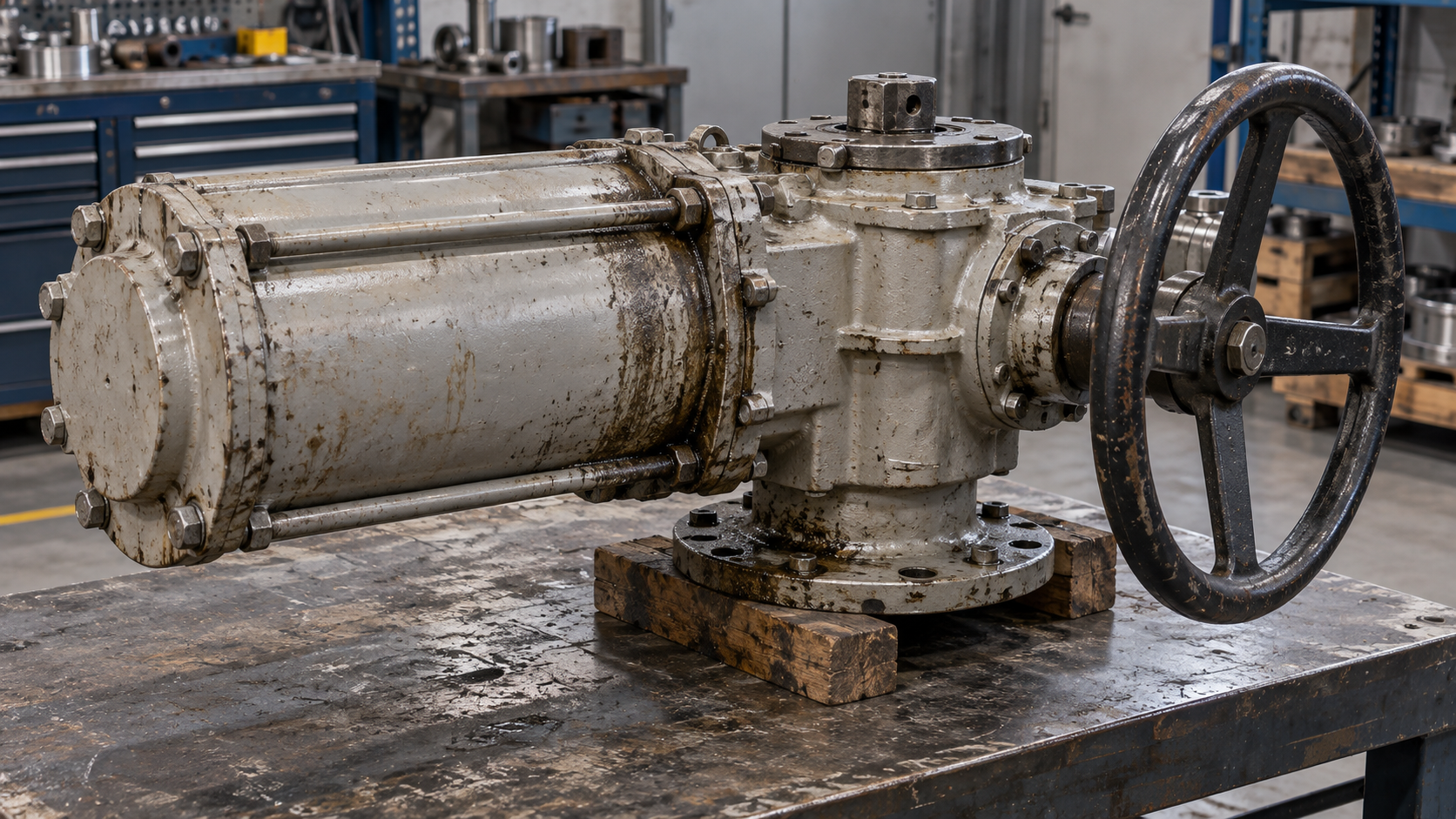
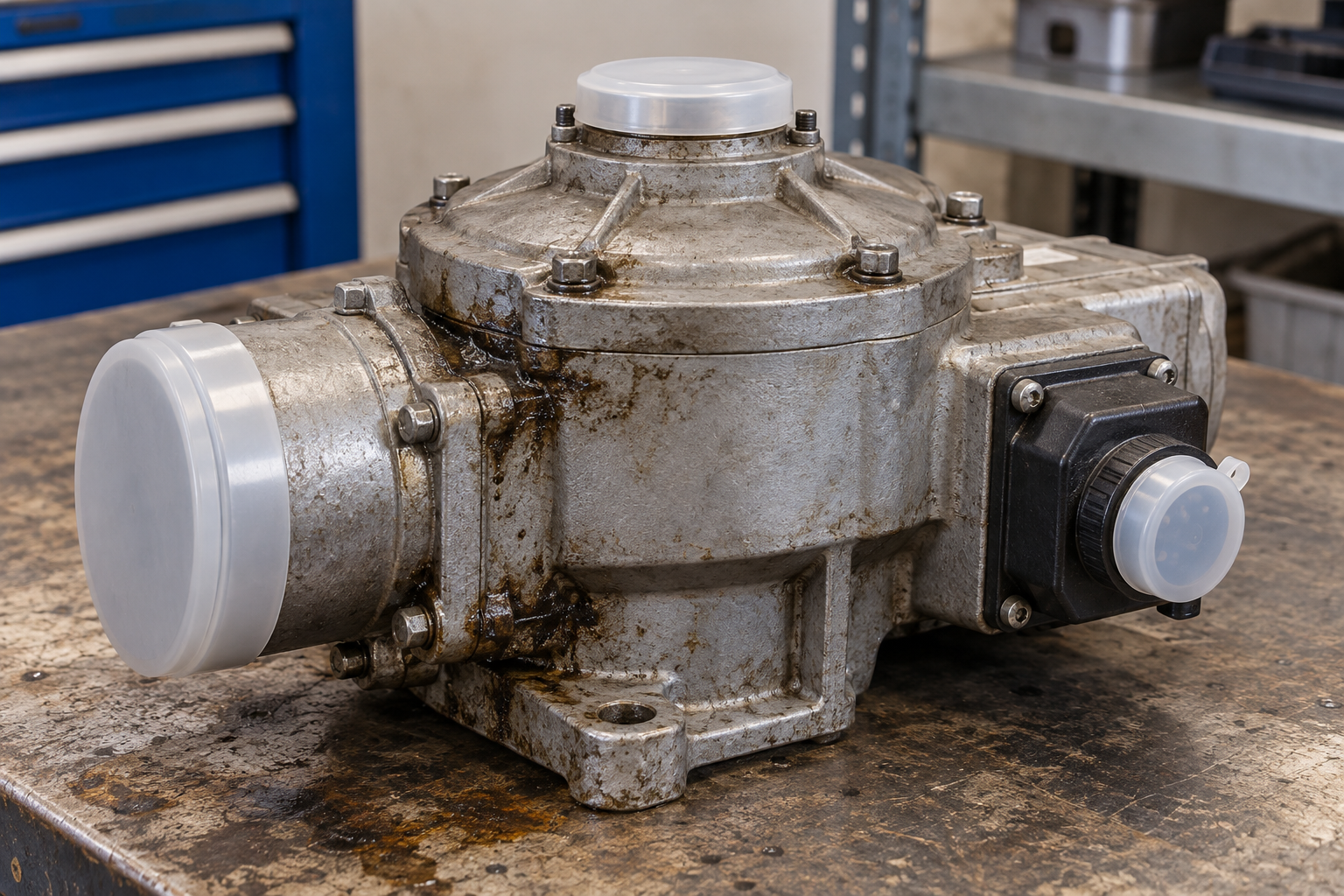
Record the actuator model and serial identification, housing material, coating, visible corrosion, oily deposits and the suspected fault. Photograph the exterior and fastener positions before any cleaning. Note oil or grease that could indicate a leaking seal: removing it without a record could erase useful diagnostic evidence. Mark electrical connectors, position indicators, breathers, nameplates, bearings and elastomeric seals as protected areas. The work owner should decide whether the actuator can be detached and whether sensitive subassemblies need to be removed before the trial.
The U.S. PHMSA valve-maintenance provision for gas transmission lines concerns valves that may be needed in an emergency. It does not say that dry ice cleaning is a required or sufficient maintenance method. The operator’s regulatory inspection, partial operation and remedial decisions remain separate from this exterior cleaning assessment.
Where should a dry ice trial begin?
Choose a small, accessible patch on the metal exterior away from seals, openings, wiring and fragile labels. Agree on the removal target, allowable coating change and stop criteria before testing. Record the media, compressed-air setup, nozzle, stand-off, exposure and observed deposit removal. Compare the treated patch with an untouched reference area under similar lighting. If the deposit does not respond within the component owner’s limits, stop and reassess the method rather than increasing intensity without a defined ceiling.
The actuator must be made safe under the applicable site and workshop procedure. OSHA’s hazardous-energy standard addresses unexpected energization during applicable general-industry servicing; its text expressly excludes oil and gas well drilling and servicing. Confirm the applicable rules for the actual facility and work before treating a disconnected actuator as safe. Isolation, stored energy, lifting and electrical checks are tasks for the authorized maintenance team.
How is the cleaning result accepted?
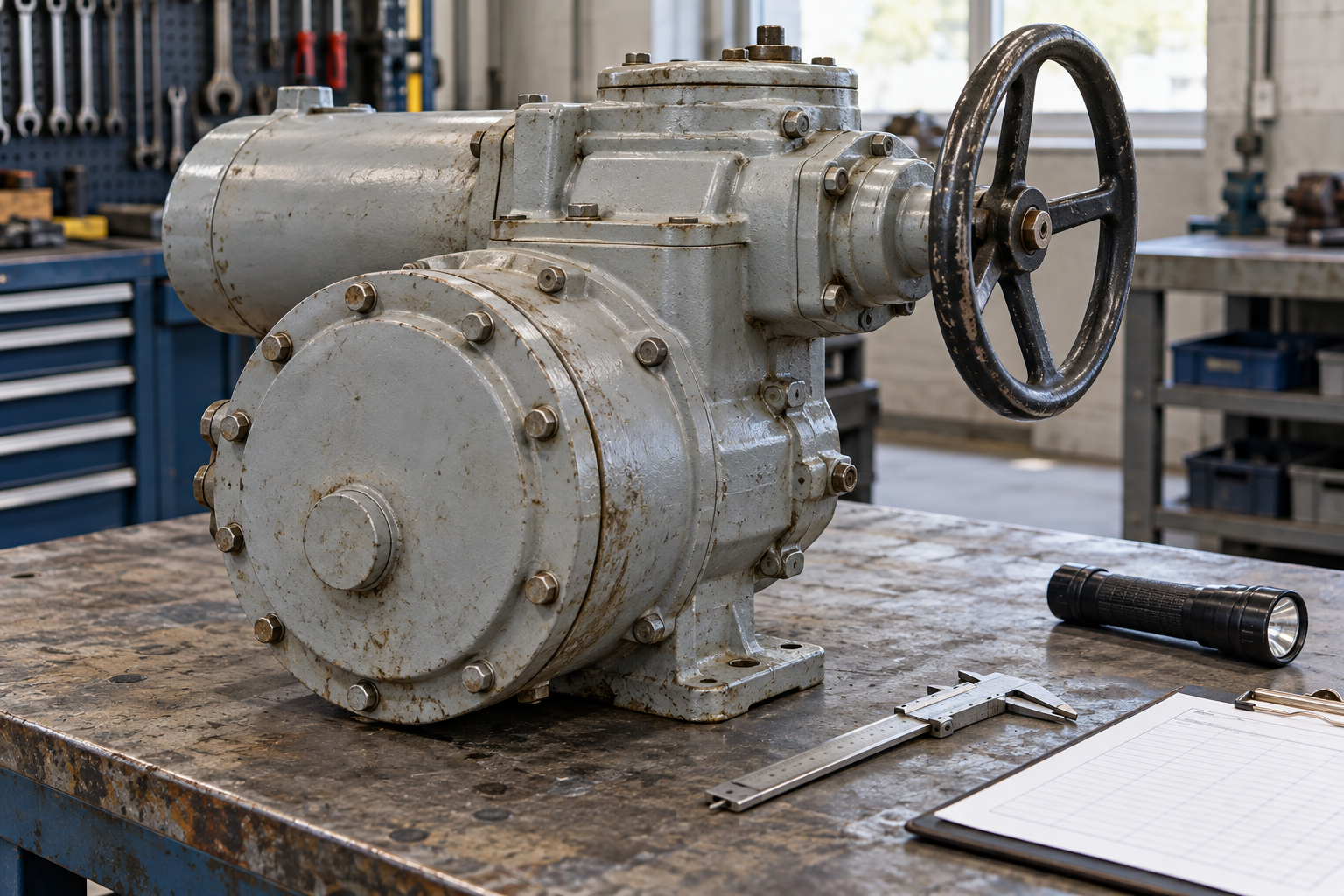
Inspect the trial patch for remaining grime, coating loss, surface change and displaced debris in recesses. Check that nameplates, ports, seals and electrical interfaces stayed protected. Document what the method removed and what remained, with close photographs and the trial settings. Where contamination indicates a fault, preserve that evidence for the repair team before further cleaning.
Dry ice turns to carbon dioxide gas, while dislodged oil, rust and dirt still require collection. The NIOSH carbon-dioxide hazard guide identifies inhalation hazards and exposure limits. Plan ventilation and assessment for the actual room and work rate, plus controls for compressed air, flying debris, noise and the removed contaminant. A method with no spent solid blasting medium is not a claim of zero waste or zero exposure.
After cleaning, the responsible repair team should inspect corrosion, fastener condition, seals and mechanical or electrical faults under the equipment procedure. Functional tests and valve-maintenance records belong to the operator’s separate acceptance process. A photograph of a clean enclosure is not evidence of valve operability or regulatory compliance.
For a supplier trial, provide the actuator model, housing and coating details, photographs of the deposit, sensitive features, the shop’s air and ventilation capacity, the required inspection finish and the acceptance criteria. The DryIceSys safety guide, air-requirements guide and site-readiness checklist can structure that conversation. They do not replace the operator’s maintenance plan or the applicable U.S. requirements.
Images are AI-generated editorial illustrations, not photographs of a customer site, completed repair or tested valve.