About DryIceSys
Built in Wuxi. Focused on practical dry ice cleaning.
DryIceSys manufactures dry ice cleaning equipment in Wuxi, Jiangsu, China. Our engineers, production specialists and export colleagues coordinate from application review through assembly and delivery for industrial users, distributors and OEM partners.
- Focus
- Industrial dry ice cleaning equipment
- Location
- Wuxi, Jiangsu, China
- Project support
- Selection, OEM customization and delivery coordination
Company introduction
Engineering starts with the application.
A dry ice cleaning machine is only useful when it fits the contaminant, substrate, access, compressed-air supply and operating environment.
We organize our work around those inputs. The objective is a clear equipment and configuration decision, not a one-size-fits-all claim. Where dry ice cleaning has limits, those limits belong in the project discussion.
Cleaning target, contaminant, substrate sensitivity and access conditions define the relevant machine and nozzle questions.
Air supply, expected use and integration needs should be understood before equipment and OEM options are selected.
Machine configuration, shipment requirements and distributor or end-user responsibilities should be explicit.
How we work
One project path from requirements to delivery.
Application review
We start with what must be removed, what must remain undamaged, the available air supply and the conditions around the cleaning task.
Configuration and build
Engineering and production translate the agreed requirements into a machine, hose, gun and nozzle configuration, including relevant OEM details.
Delivery coordination
Export colleagues align the equipment scope with shipment information and the support needs of the buyer or distributor.
Our team
The people behind the equipment.
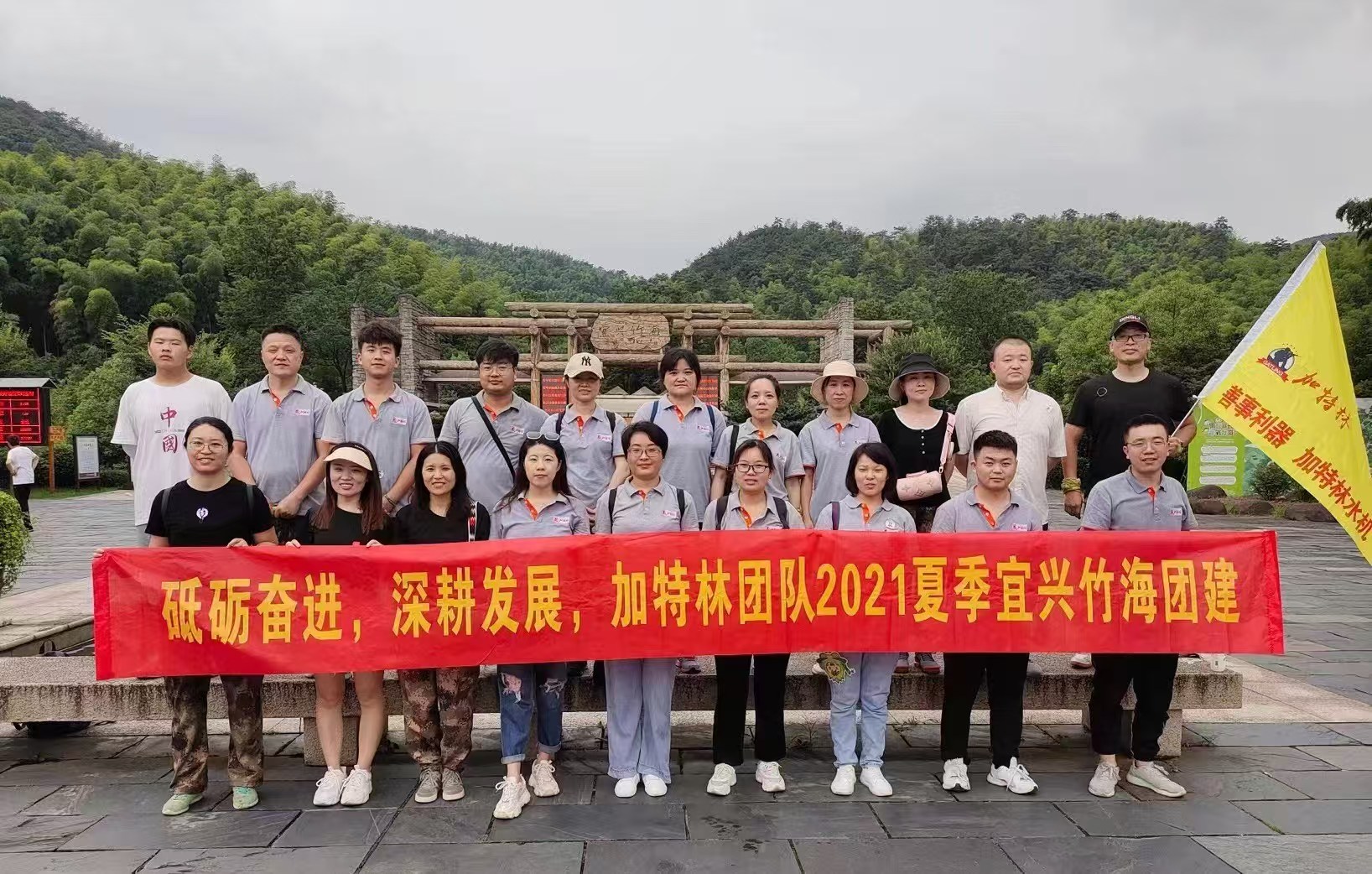
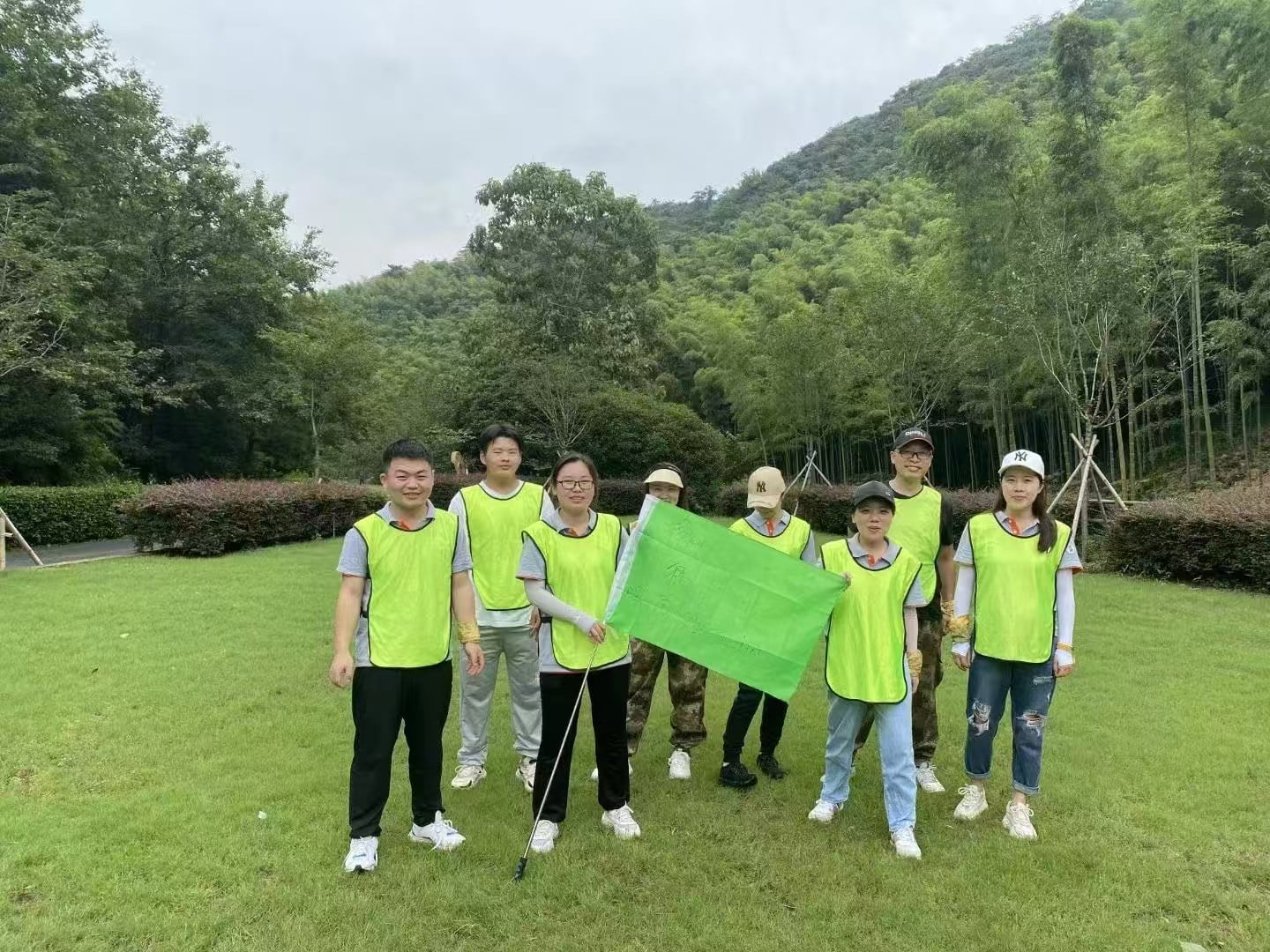
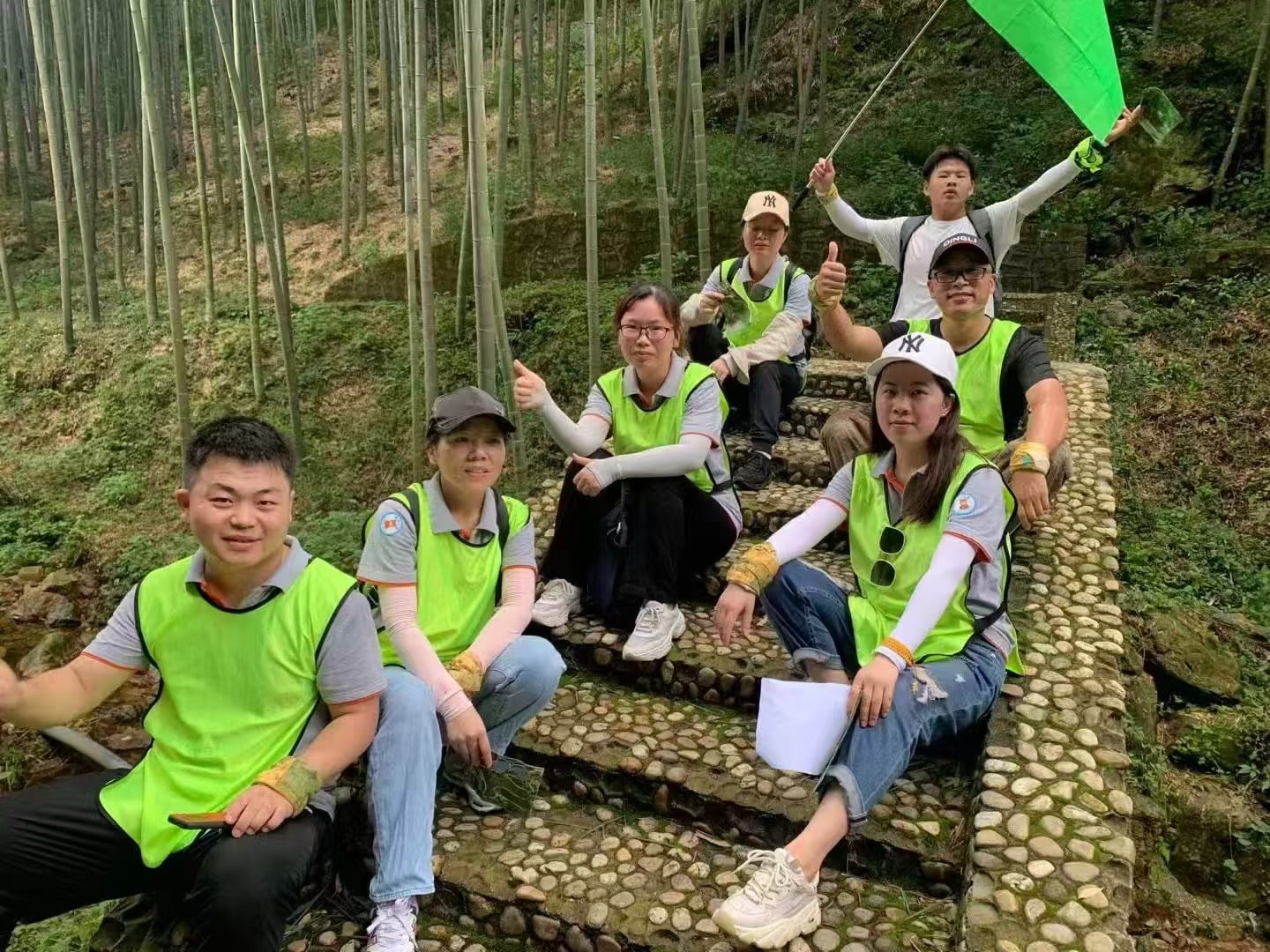
DryIceSys brings together engineers, production specialists and export colleagues in Wuxi. Each role owns a different part of the same outcome: a clearly specified machine that can be built, delivered and supported as agreed.
Practical boundaries
A good recommendation includes the limits.
Dry ice cleaning is not universal. Suitability depends on the surface, contaminant, available compressed air, ventilation, noise controls and the required finish.
Operators remain responsible for site-specific risk assessment, ventilation, carbon-dioxide monitoring where required, hearing protection and other appropriate PPE. A project review supports equipment selection; it does not replace local safety procedures.
- Material and geometry of the surface to be cleaned
- Type, thickness and condition of the contaminant
- Available compressed-air pressure and flow
- Access, ventilation and operating constraints
- Expected cleaning frequency and integration needs
Start with the cleaning requirement.
Share the substrate, contaminant, air supply and expected use. The project team can then review equipment, nozzle and OEM options.