
+8613986122400
DryIceSys dry ice cleaning equipment
Blog

US Data Center Air Handler Fan Housing Cleaning

DryIceSys Team 3 min read
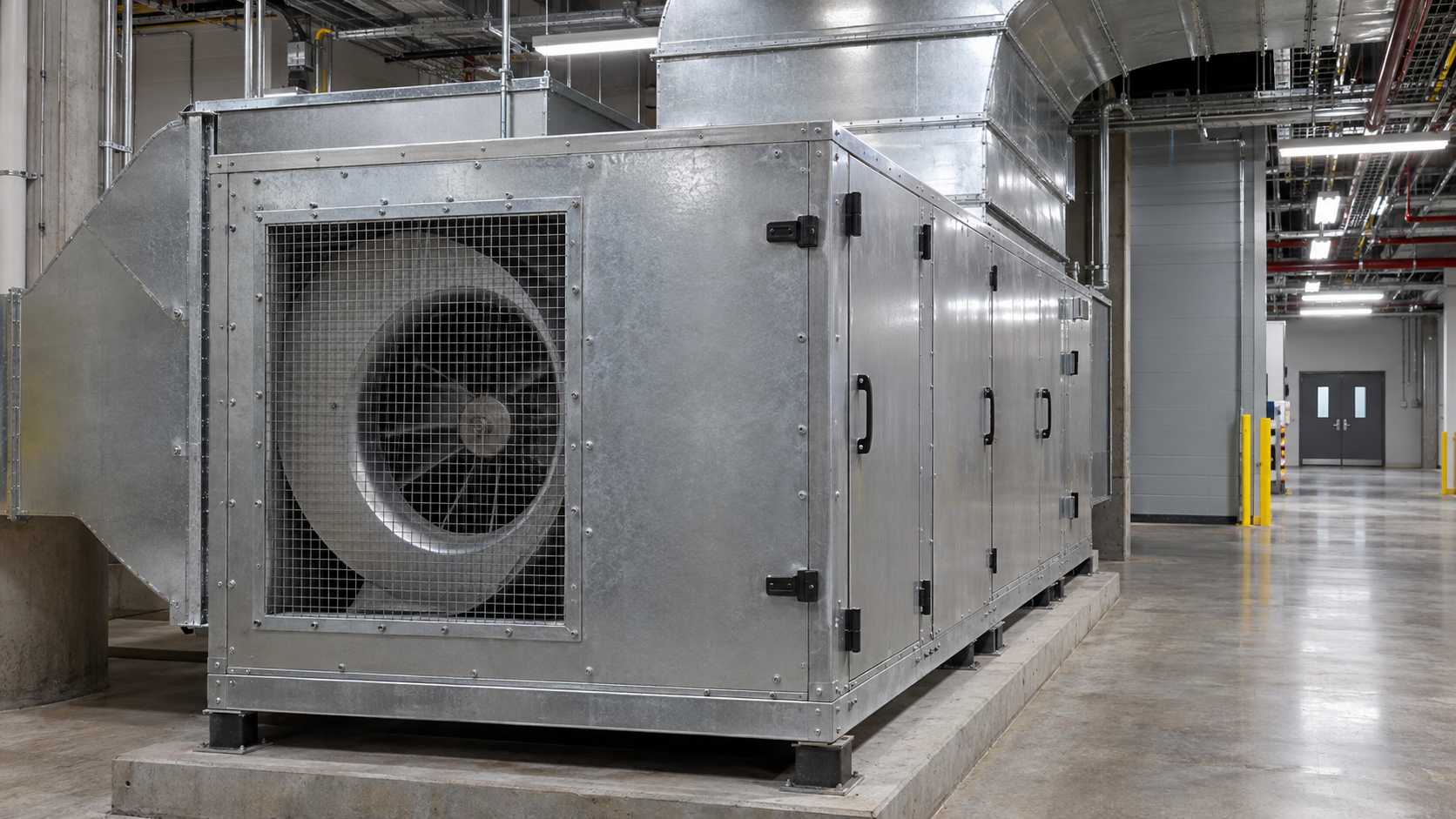
AI illustration: Conceptual isolated air handling unit fan housing in a data center maintenance area

US Data Center Air Handler Fan Housing Cleaning

Can a US data center maintenance team trial dry ice cleaning on an air handler fan housing before inspection?

A US data center maintenance team can consider a small, controlled dry ice cleaning trial on accessible exterior metal of an isolated air handling unit fan housing after identifying the soil, coating and inspection objective. The work plan should protect nearby electronics, filters, sensors and airflow paths, control hazardous energy, and assess carbon dioxide ventilation and displaced debris. A cleaner test patch can support a separate inspection; it does not establish fan condition, electrical safety or return-to-service readiness.

This is a planning guide, not a customer case or a claim of cleaning performance. The illustrations are conceptual. The scope is accessible exterior metal of a stationary, isolated air handling unit fan housing. It excludes energized electrical enclosures, internal fan blades, coils, filters, delicate sensors and any surface the equipment maker prohibits cleaning by this method.

Why define the inspection target first?

A data center air handling unit may have dust, oily deposits or other soil on the outside of its fan housing. A maintenance lead should identify the precise surface and the inspection question before choosing a cleaning method. Photograph the housing, note its coating and nearby components, and record what the inspector needs to see. A clean appearance alone does not prove bearing health, balance, enclosure integrity or acceptable airflow.

The employer should identify the unit’s electrical, mechanical and stored energy sources. OSHA’s hazardous-energy control standard addresses unexpected startup during servicing and maintenance. The facility’s authorized personnel must apply its equipment-specific isolation procedure and verify the state before work starts.
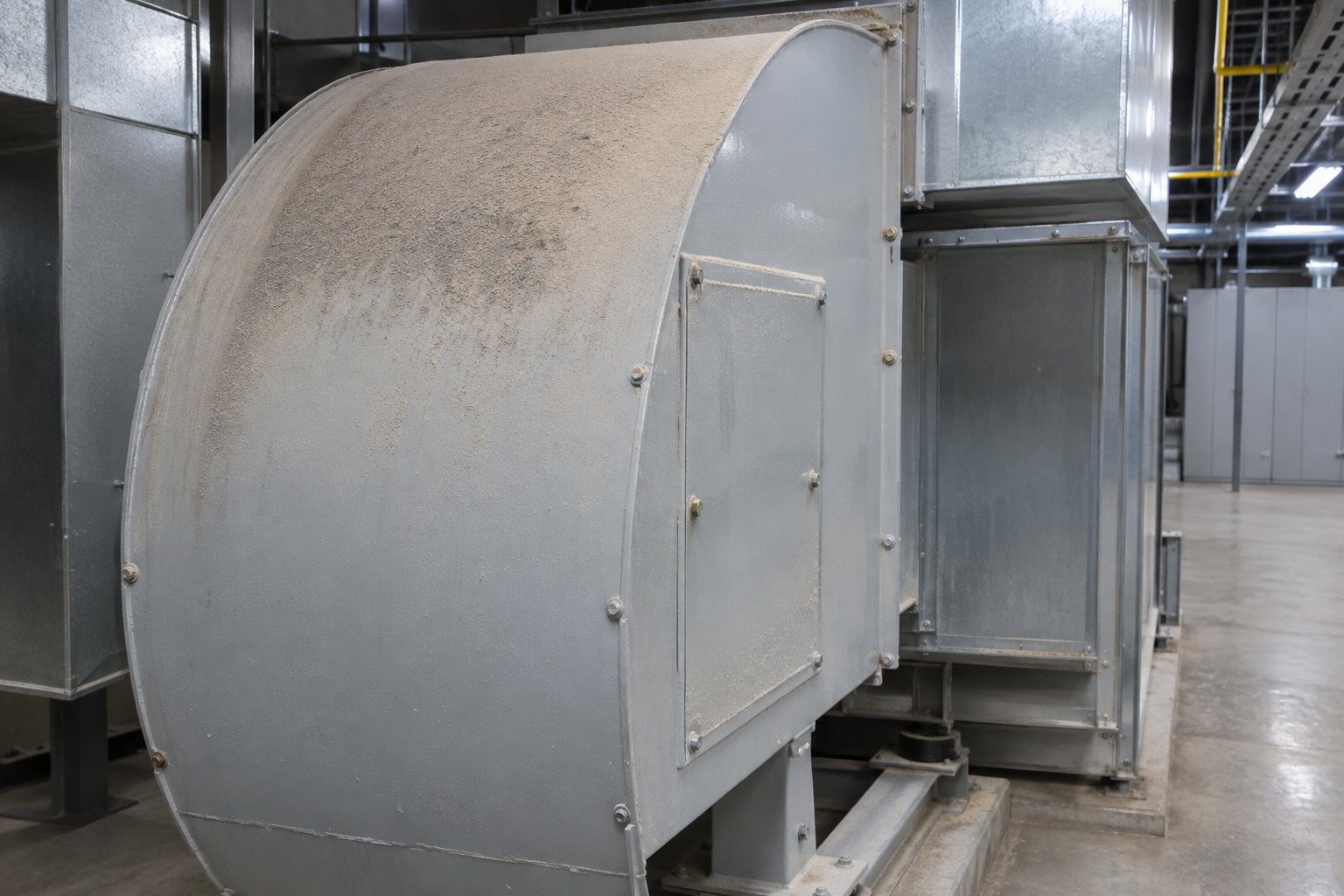
Conceptual dust deposits on the exterior fan housing of an isolated air handling unit

How should a limited test patch be planned?

Confirm that the target is accessible exterior metal, and review the manufacturer’s instructions for the finish and seals. Keep the cleaning jet away from intake openings, filters, control cabinets, sensors, wiring, coils, bearings and shaft seals. Shield or remove vulnerable nearby items only under the maintenance plan. Select a small patch and document the nozzle, pressure, stand-off distance, angle, exposure time and debris capture method. Stop if coating lifts, a seal changes or soil migrates into the airflow path.

OSHA’s electrical work-practice rule addresses work near parts that may be energized. It is a separate consideration from mechanical isolation; a visual shutdown indication is not a substitute for the site’s electrical safety procedure. Qualified personnel decide whether the planned work can proceed.

Dry ice becomes carbon dioxide, while dislodged dust and coating fragments remain. Assess ventilation and where gas could accumulate in the actual room; capture the displaced material. The NIOSH carbon dioxide pocket guide provides exposure information, but the safety team must determine site controls and monitoring. Do not infer adequate ventilation from normal cooling airflow alone.
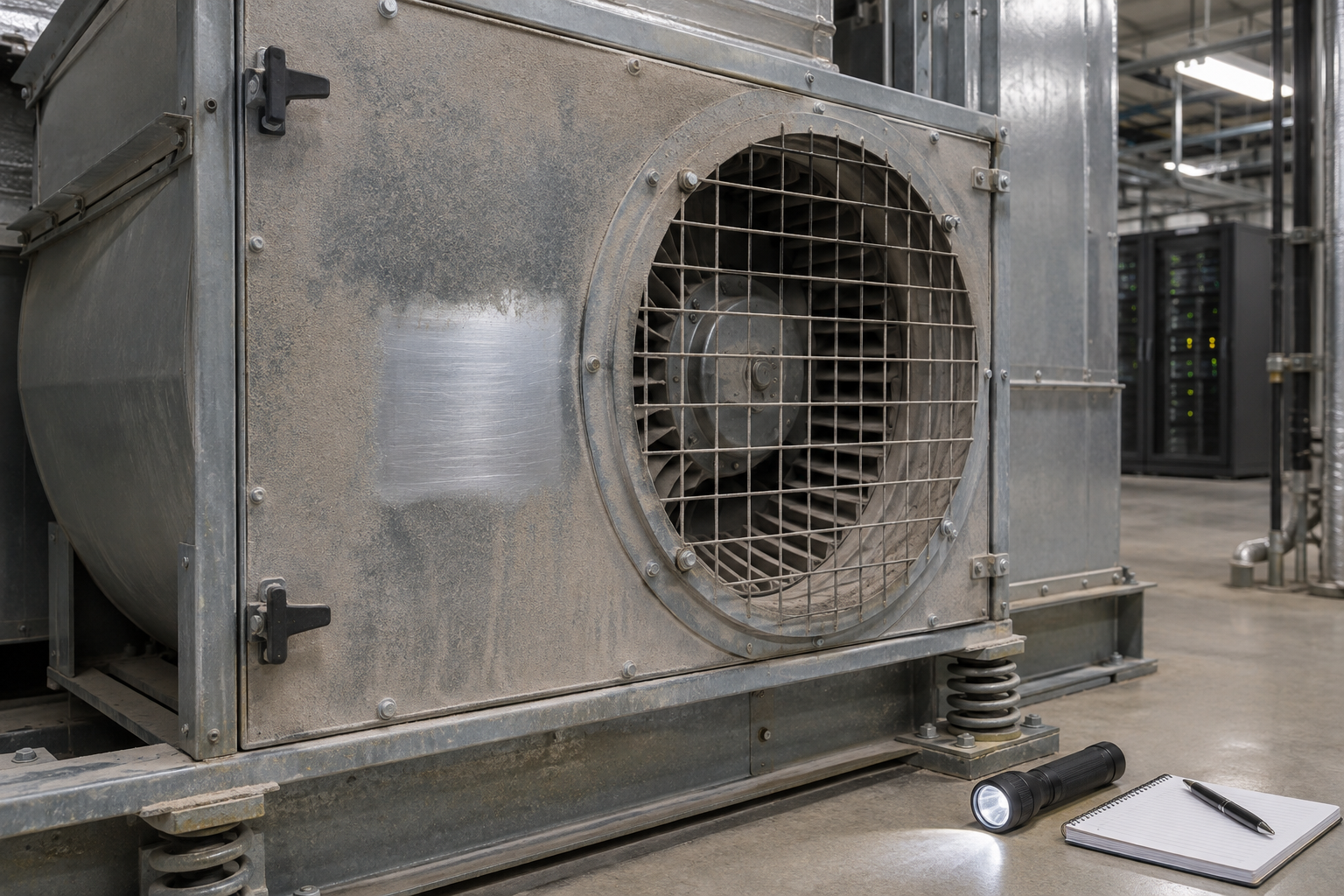
Conceptual small cleaning test patch on an isolated air handler fan housing for later inspection

What should be recorded for inspection and procurement?

Record before-and-after photographs of the patch, any finish change, material collected, untouched areas and the conditions used. The authorized inspector then applies the facility’s own acceptance criteria for the fan housing and related equipment. If the goal is electrical or mechanical troubleshooting, that assessment remains a separate task.

For a procurement discussion, share the housing material and coating, soil photographs, space and ventilation plan, available compressed air, isolation procedure, and inspection target. Review the DryIceSys machine overview, air-requirements guide and site-readiness checklist against those site conditions before arranging a trial.

Loading a short question...

By submitting, you agree that DryIceSys may contact you about this enquiry.

We currently use only essential cookies. If Google Ads, Meta advertising or analytics are added later, non-essential cookies will remain disabled until you consent. View more
Cookies settings
Accept
Decline
Privacy & Cookie policy
Privacy & Cookies policy
Cookie name Active
Our website address is: https://www.dryicesys.com.

Comments

When visitors leave comments on the site we collect the data shown in the comments form, and also the visitor's IP address and browser user agent string to help spam detection. An anonymized string created from your email address (also called a hash) may be provided to the Gravatar service to see if you are using it. The Gravatar service privacy policy is available here: https://automattic.com/privacy/. After approval of your comment, your profile picture is visible to the public in the context of your comment.

Media

If you upload images to the website, you should avoid uploading images with embedded location data (EXIF GPS) included. Visitors to the website can download and extract any location data from images on the website.

Cookies

If you leave a comment on our site you may opt-in to saving your name, email address and website in cookies. These are for your convenience so that you do not have to fill in your details again when you leave another comment. These cookies will last for one year. If you visit our login page, we will set a temporary cookie to determine if your browser accepts cookies. This cookie contains no personal data and is discarded when you close your browser. When you log in, we will also set up several cookies to save your login information and your screen display choices. Login cookies last for two days, and screen options cookies last for a year. If you select "Remember Me", your login will persist for two weeks. If you log out of your account, the login cookies will be removed. If you edit or publish an article, an additional cookie will be saved in your browser. This cookie includes no personal data and simply indicates the post ID of the article you just edited. It expires after 1 day.

Embedded content from other websites

Articles on this site may include embedded content (e.g. videos, images, articles, etc.). Embedded content from other websites behaves in the exact same way as if the visitor has visited the other website. These websites may collect data about you, use cookies, embed additional third-party tracking, and monitor your interaction with that embedded content, including tracking your interaction with the embedded content if you have an account and are logged in to that website.

Who we share your data with

If you request a password reset, your IP address will be included in the reset email.

How long we retain your data

If you leave a comment, the comment and its metadata are retained indefinitely. This is so we can recognize and approve any follow-up comments automatically instead of holding them in a moderation queue. For users that register on our website (if any), we also store the personal information they provide in their user profile. All users can see, edit, or delete their personal information at any time (except they cannot change their username). Website administrators can also see and edit that information.

What rights you have over your data

If you have an account on this site, or have left comments, you can request to receive an exported file of the personal data we hold about you, including any data you have provided to us. You can also request that we erase any personal data we hold about you. This does not include any data we are obliged to keep for administrative, legal, or security purposes.

Where your data is sent

Visitor comments may be checked through an automated spam detection service.
Save settings
Cookies settings