
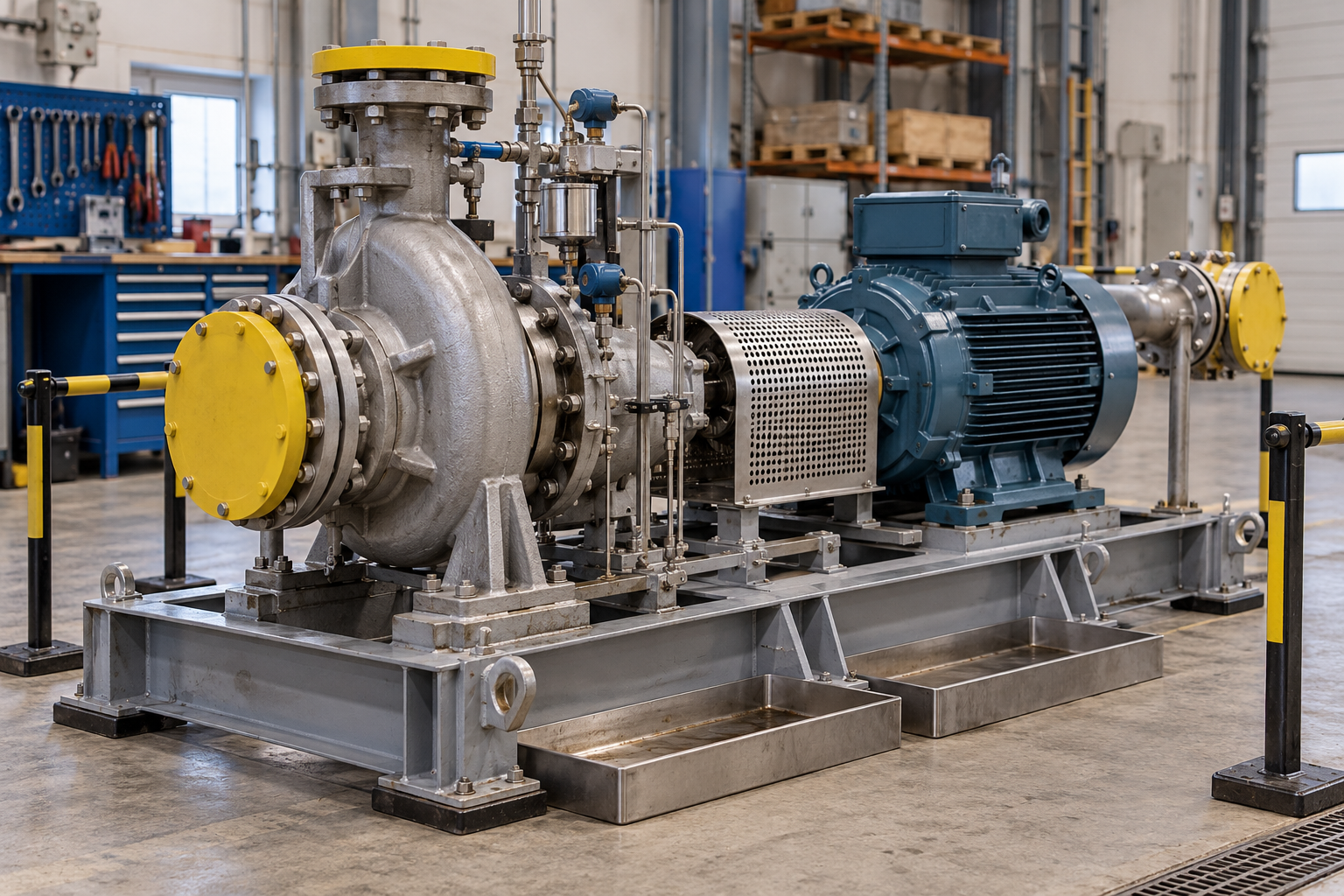
Oil and Gas Skid Cleaning: Scope, Isolation and Handover
Dry ice cleaning may be evaluated for selected external surfaces of an isolated oil and gas equipment skid when the asset owner approves the method and site controls. The work package must define protected components, contamination capture, inspection hold points and handover responsibilities. Cleaning does not establish pressure integrity, repair a leak or authorize equipment return to service.
An oil-covered skid can make a maintenance task harder to define. Deposits may obscure fasteners, support surfaces or the external areas an inspector needs to examine. Yet a visually improved skid can still have unresolved mechanical defects. A useful cleaning contract therefore connects the preparation work to the next maintenance decision.
This article proposes a planning framework for Norwegian oil and gas maintenance teams evaluating selected external skid surfaces. It does not authorize work in a hazardous area, cleaning on live equipment or a change to an approved maintenance procedure.
Start with the asset and the maintenance objective
Identify the equipment tag, location and owner. Describe which surfaces need preparation and why. Examples include an accessible external frame before a condition assessment or an approved casing area before examination. Define exclusions just as precisely: instrument openings, electrical connections, seals, vents, nameplates and other vulnerable features need their own review.
Norway’s regulator, Havtil, identifies maintenance management as a safety concern in its call for better maintenance management. Its report on maintenance as a cause of incidents provides further context. These references support treating cleaning as a controlled maintenance activity; neither is a product approval for dry ice blasting.
The work order should state what the next team needs to see or measure. “Prepare the identified external support for inspection under the approved procedure” is more useful than “make the whole unit look new.”
Confirm isolation and the work environment before mobilization
The responsible site team must establish the required shutdown, isolation, depressurization and other work controls for the actual task. Treat these as prerequisites to cleaning, with responsibilities recorded in the work package. A contractor’s equipment demonstration is not evidence that the process system is safe to work on.
Review hazardous-area restrictions for the complete setup, including the machine, accessories, compressor, electrical supply and potential ignition sources. Do not infer approval from dry ice being described as non-conductive. Access, ventilation, carbon-dioxide exposure assessment, noise, line-of-fire hazards and residue control also need site-specific arrangements.
Use the DryIceSys safety guide as an equipment-planning reference, then apply the owner’s permits and procedures. If the required controls or approvals are unavailable, keep the job on hold.
Trial the actual contamination on an approved area
Cold Jet lists oil and gas applications among the uses of dry ice blasting. That manufacturer information establishes a candidate application, not a guarantee for a particular skid, coating or contaminant.
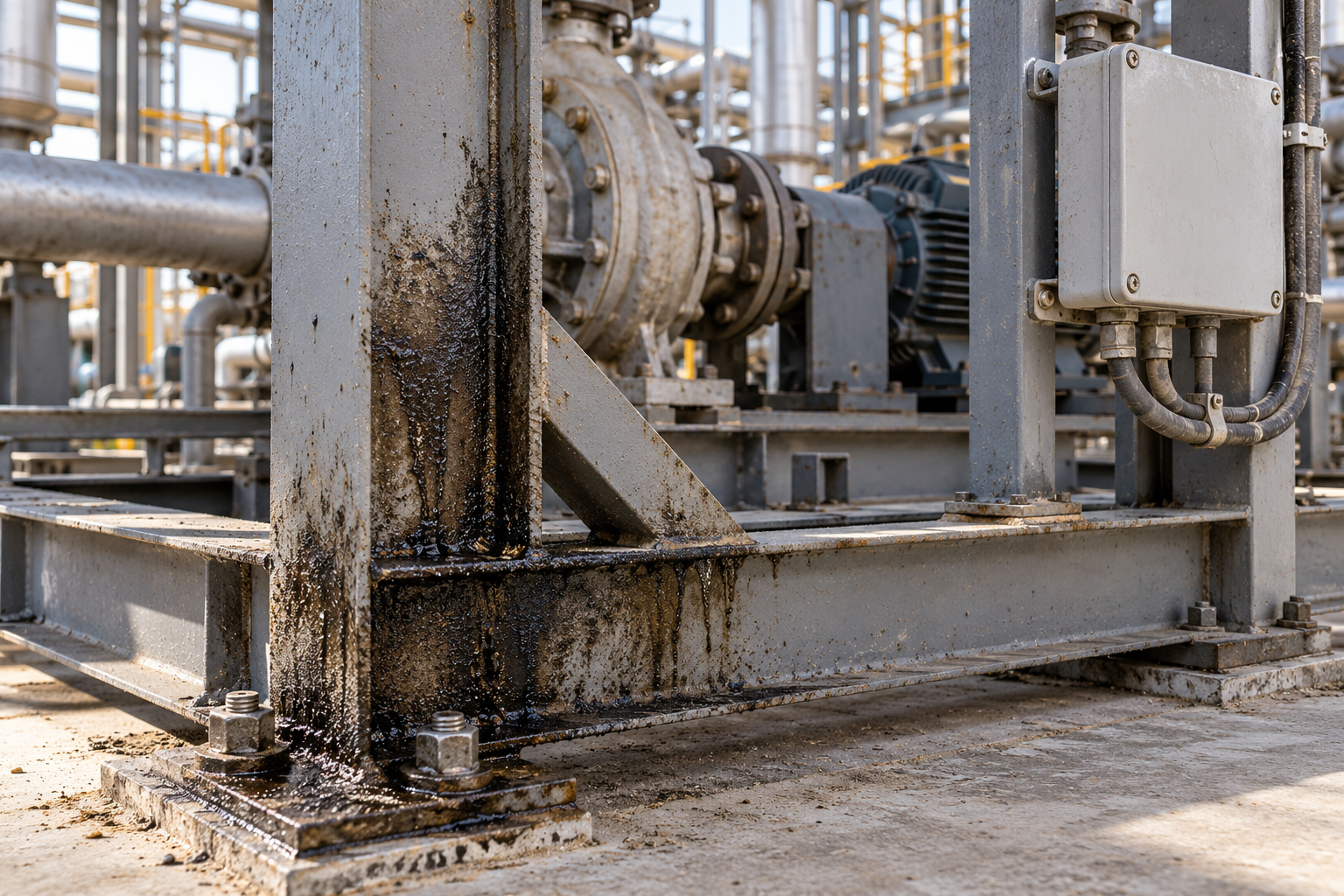
Document the as-found condition before preparation. Where a leak investigation or failure review is pending, obtain approval before disturbing stains, deposits or other evidence. Select a test area away from unapproved sensitive features and retain a reference photograph.
Record the machine configuration, air conditions, nozzle, feed and exposure used during the trial. Assess contaminant removal, surface condition, coating response and the effectiveness of collection. Thick deposits or inaccessible geometry may require another approved method or additional preparation. Do not keep increasing intensity solely to produce a cleaner photograph.
Protect boundaries and manage removed contamination
Define masking and protection in the job plan. Confirm that protective arrangements cannot become a new contamination source or obstruct the necessary examination. Do not direct the process into open bearings, instrument connections or other unapproved openings.
Dry ice sublimation does not eliminate removed hydrocarbons, coating fragments or contaminated debris. Specify collection, storage and disposal responsibilities for the actual waste. Account for adjacent equipment and personnel, including work occurring below or downwind of the cleaning area.
Before mobilization, check compressor availability and delivered air conditions using the DryIceSys air-requirements guide. Review access and logistics with the site-readiness checklist. A skid that is easy to reach in a photograph may still require substantial access or containment work.
Use a documented handover before the next maintenance stage
At completion, map the areas actually treated and identify any inaccessible or unfinished scope. Record changed surface conditions and observations without diagnosing defects beyond the team’s competence. Keep cleaning acceptance separate from inspection acceptance.
The handover should include:
- Asset identity, treated boundaries and exclusions.
- Trial approval and the settings used for accepted work.
- Before-and-after records with consistent viewpoints.
- Removed-material handling and any outstanding contamination.
- Protection removed or retained, open findings and the next responsible person.
The owner then follows the required inspection, repair, testing and reinstatement process. A cleaned external casing does not verify an internal component, a pressure boundary or the source of a leak.
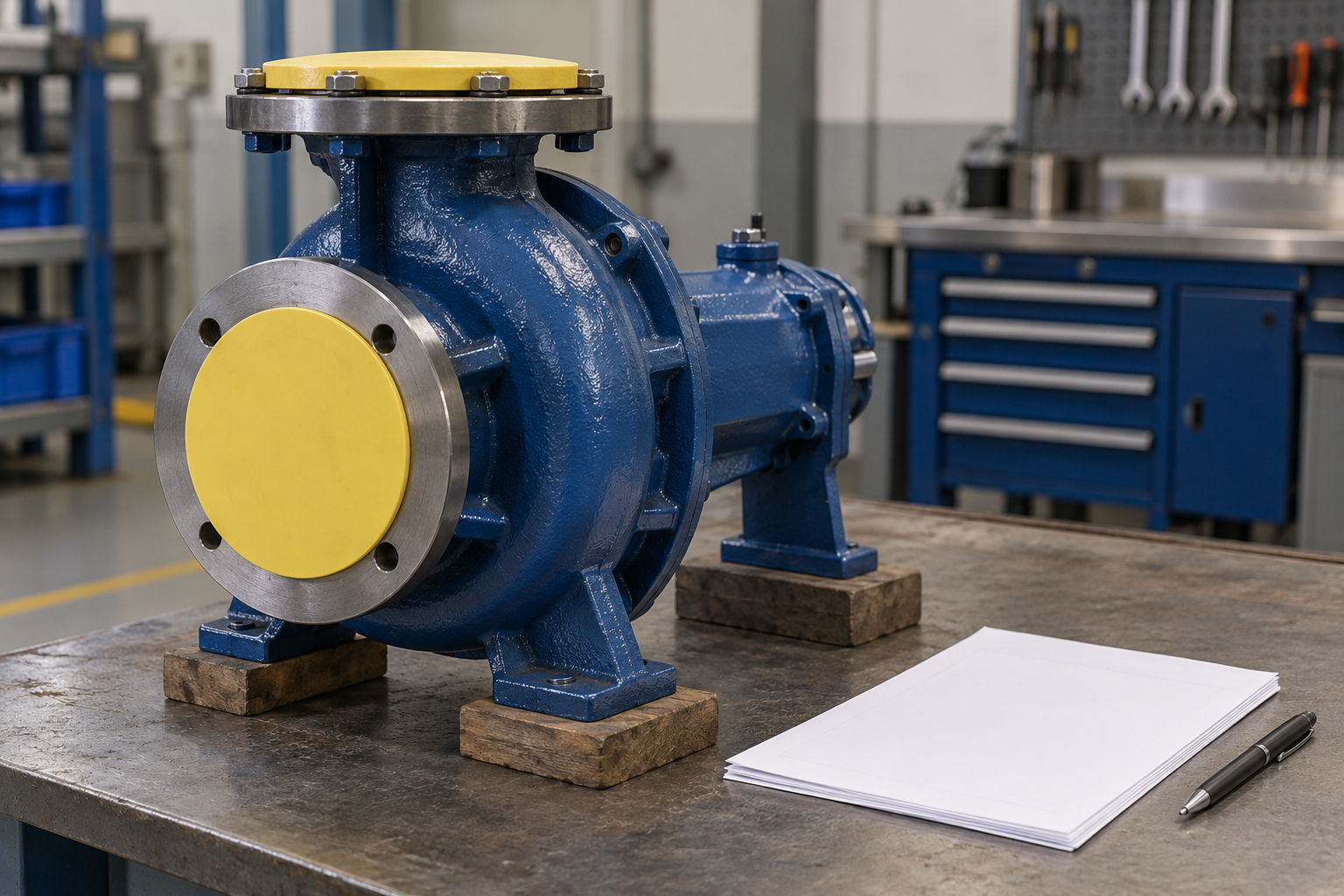
For an application review, provide the asset type, contamination, surface finish, area classification, photographs and planned maintenance decision. Those details support a bounded trial and a useful quotation while preserving the owner’s authority over equipment integrity and return to service.
Images are AI-generated editorial illustrations for maintenance planning, not customer-site photographs or evidence of isolation, inspection, repair or return-to-service approval.